
You've seen them in every pet store, probably smelled them before you spotted them, and if you have a dog who loves to chew, you've almost certainly wondered whether they're worth the hype. What are bully sticks made of, exactly, and are they actually safe for your dog? The answer is more straightforward than you might expect, and understanding a few key facts will help you use them wisely.
What Are Bully Sticks Made Of, Really?
Bully sticks are made from a single ingredient: beef pizzle, which is the dried muscle tissue from the bull penis (the penis of a bull or steer). That's it. No grains, no fillers, no synthetic binding agents. The straightforward composition is a big part of why many pet owners and veterinarians prefer them over more processed chews.
Once the pizzle is harvested, it moves through four basic stages on its way from raw material to finished chew:
- Cleaning and draining. The pizzle is cleaned thoroughly, drained of fluids, and stripped of excess fat. This keeps the product clean and helps prevent spoilage.
- Twisting or straightening. Some sticks are twisted or braided, others are left straight. The shape affects how long the chew lasts, so braided or twisted options tend to hold up better for aggressive chewers.
- Drying and dehydrating. The shaped pizzle is dried over several hours or days to pull out moisture and naturally harden it. Some manufacturers air-dry, some bake, and some smoke the product, and each method produces slightly different textures and smells.
- Cutting and packaging. Once dried, the sticks are cut to length (commonly 6, 12, or 18 inches), then screened and tested for bacteria and contaminants before they're packaged, sealed, and shipped.
The result is a hard, long-lasting chew that dogs can work on for extended periods.
Single-ingredient sourcing matters more than most packaging implies. Bully sticks from reputable US, Canadian, or South American suppliers made under regulated food-safety conditions are meaningfully different from lower-cost imports with less oversight. The American Kennel Club notes that quality bully sticks are free from artificial chemicals, additives, and preservatives, which is worth verifying on the label before you buy.
How Bully Sticks Compare to Rawhide
This is the question most dog owners are actually asking when they research bully sticks: are they a better option than rawhide? For the most part, yes, and for a specific reason.
Bully sticks are made from beef pizzle, a single beef muscle tissue, which the dog's digestive system recognizes and can break down. Most quality bully sticks digest within two to four hours. Rawhide, by contrast, is made from processed animal hide and is significantly harder for a dog's gut to process. Undigested pieces of rawhide can swell in the stomach and potentially cause a blockage, which is the main reason many vets are cautious about it.
For more on whether rawhide is safe for dogs and how the risks compare, that breakdown is worth reading alongside this one.
| Feature | Bully Sticks | Rawhide |
|---|---|---|
| Main ingredient | Beef muscle tissue (single) | Processed animal hide |
| Digestibility | High (breaks down in 2-4 hrs) | Low (can swell, resist digestion) |
| Chemical processing | Minimal (quality brands) | Often significant |
| Choking/blockage risk | Low-moderate (remove last inch) | Higher if swallowed in pieces |
| Calorie content | Moderate to high | Lower |
| Splinter risk | Does not splinter | Does not splinter, but can break into chunks |
Neither chew is risk-free, but as an alternative to rawhide chews, bully sticks carry significantly less concern around digestive obstruction when used properly and in the right size for your dog.
Do Bully Sticks Offer Any Health Benefits?
Beyond keeping a dog busy, bully sticks have a few modest health benefits. Because they are high in protein, they support strong muscles and a healthy coat when fed in moderation. They are also rich in taurine, an amino acid that supports heart health. The mechanical action of chewing helps scrape away plaque and tartar buildup, reducing some of the buildup on teeth that contributes to dental problems.

As a single-ingredient beef product, bully sticks are also hypoallergenic for dogs with sensitivities to chicken, grains, or synthetic ingredients, and their low carbohydrate content fits grain-free diets. And because chewing is a naturally satisfying activity, a good bully stick provides mental stimulation that can reduce boredom and the destructive chewing that often comes with it.
These health benefits are real but secondary; a bully stick is a treat and a dental-adjacent chew, not a substitute for proper dental care or a complete diet.
The Real Safety Questions: Calories, Bacteria, and Choking
Calorie Count Is Easy to Underestimate
Bully sticks are made from concentrated protein, not air. A standard 6-inch bully stick contains roughly 80 to 130 calories depending on thickness and brand. A 12-inch stick can push 180 to 240 calories. For a small dog whose total daily caloric needs might be 300 to 400 calories, even a modest chew session represents a real portion of the day's intake.
The WSAVA recommends treats make up no more than 10 percent of your dog's daily caloric intake. That guideline applies to bully sticks just as much as training treats. On chew days, trim your dog's main meals slightly to compensate, especially if you have a small or overweight dog.
This doesn't make bully sticks a bad choice, it just makes them a choice that requires the same caloric awareness you'd apply to any snack.
Bacterial Contamination Is a Real Consideration
A peer-reviewed study published in a veterinary journal examined 26 bully sticks and found that three were contaminated with bacteria including E. coli, Clostridium difficile, and MRSA. Quality control in this product category is genuinely uneven, and it's one area where sourcing decisions have a direct impact on safety.
Lower-cost bully sticks from unknown origins tend to carry higher contamination risk. Choosing products that are transparently sourced, tested for pathogens, and single-ingredient reduces (though doesn't eliminate) that risk. After handling a bully stick, wash your hands. Store them in a clean, dry location once your dog is done with a session.
The Choking Issue at the End
As your dog chews down a bully stick, the remaining nub eventually becomes small enough to swallow whole. This is the most common safety concern with bully sticks, and it's fully preventable: take the last inch or two away before your dog can get there. Bully stick holders exist specifically to help with this; they grip the end so your dog gets the chewing time without the swallowing risk.
Always supervise your dog with any chew, including bully sticks. This is especially true with puppies, senior dogs, and breeds known to be aggressive chewers.
What Happens When a Bully Stick Upsets Your Dog's Stomach
Even a safe, high-quality bully stick can cause digestive upset in some dogs, and it doesn't mean something went wrong with the product. A few reasons this happens:
Rich protein load. Bully sticks are 80 to 97 percent protein by dry weight. For a dog with a sensitive stomach, that concentrated richness can overwhelm the digestive system, particularly if the dog isn't used to them. Loose stools or temporary soft stool within 24 to 48 hours of a first chew session is not uncommon.
Introduction too quickly. Dogs who are new to bully sticks sometimes react to the novelty of a very rich food source. Starting with shorter sessions (10 to 15 minutes) a few times per week before offering longer chew sessions gives the gut time to adjust.
Bacterial contamination. If your dog develops vomiting or diarrhea shortly after a bully stick session and you suspect a low-quality product, that's the more urgent scenario. Most mild reactions resolve with digestive support and a day or two of lighter eating.
If your dog has a mild stomach reaction after a chew, our guide to dog diarrhea home treatment walks through how to assess whether it's a monitor-at-home situation or something worth calling your vet about. For most healthy adult dogs, a mild digestive response after a rich chew passes quickly with simple support.
How to Choose Quality Bully Sticks
Not all bully sticks perform the same way. A few markers separate genuinely good products from lower-quality ones:
Single ingredient, clearly labeled. The ingredient list should say "beef pizzle" and nothing else. Added preservatives, flavorings, or artificial coatings don't belong there.
Transparent origin. Products sourced from the US, Canada, or reputable South American suppliers under regulated conditions are significantly more reliable than unmarked imports. Look for country-of-origin information on the packaging.
Appropriate size for your dog. A bully stick that's too thin for a large-breed chewer poses more risk than one that offers genuine resistance. Thick, braided, or jumbo options are worth the higher cost for powerful chewers. Small breeds do fine with standard 6-inch sticks, but the calorie accounting above matters more for them.
Odor-free if sensitivity is a concern. The natural smell of bully sticks is strong, and some dogs and owners find it overpowering. Odor-reduced options exist; they undergo additional processing to reduce smell without compromising the ingredient itself.
According to the AKC's guide to edible dog chews, highly digestible, single-ingredient chews are consistently preferred over chemically treated alternatives, and bully sticks fall clearly into that preferred category when sourced well.
What to Do If Your Dog's Stomach Reacts
If your dog gets loose stools or stomach upset after a bully stick, the most practical first steps are:
- Skip the next chew session and give the digestive system a rest.
- Offer a bland, easy-to-digest meal for a day or two. Our guide on dog upset stomach bland diets covers what to feed and in what portions.
- Make sure your dog stays hydrated. Loose stools mean lost fluids, and water intake matters more during a digestive disruption.
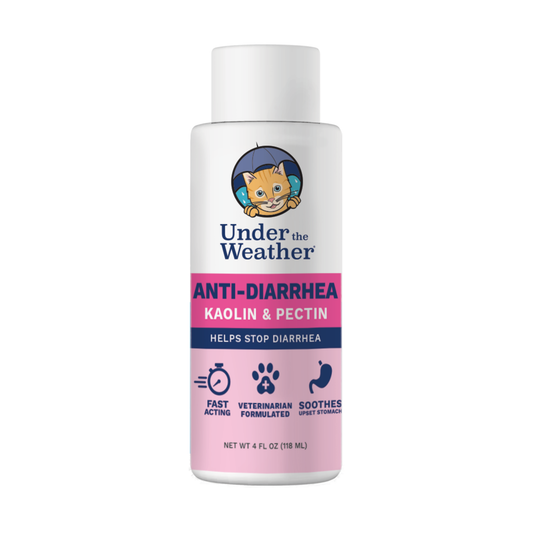
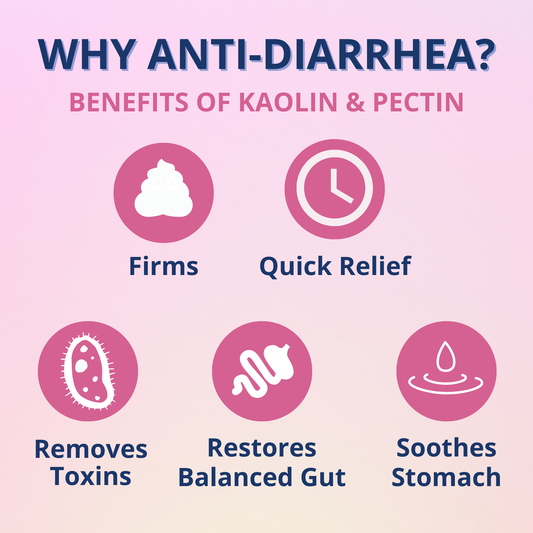
- Consider digestive support to help the gut recover faster.
Under The Weather makes probiotic and digestive supplements specifically formulated for dogs, including options that help restore gut balance after a rich food event or a mild stomach upset. These aren't a substitute for veterinary care when something more serious is happening, but for the kind of mild reaction that follows a treat your dog wasn't used to, probiotic support can help speed the recovery. If you want to understand more about how probiotics support dogs specifically, this breakdown of dog probiotic benefits explains what the research actually says.
Persistent vomiting, blood in the stool, significant lethargy, or symptoms that don't improve within 48 hours all call for a vet visit rather than home management.
Who Should Be More Cautious With Bully Sticks

For most healthy adult dogs, bully sticks used in moderation and with supervision are a reasonable treat choice. A few situations call for extra care or a conversation with your vet first:
- Puppies: Their chewing force is lower, but their digestive systems are still developing. Shorter sessions and close supervision apply.
- Small breeds: The calorie density matters more. A 6-inch stick for a 10-pound dog is a much bigger nutritional event than it is for a 60-pound dog.
- Dogs with a history of pancreatitis or digestive disease: High-protein, higher-fat chews can be problematic for these dogs. Ask your vet before introducing them.
- Overweight dogs: Factor the bully stick calories into the day's food budget, or look for a lower-calorie chew alternative.
- Aggressive chewers: These dogs tend to consume bully sticks very quickly, which increases both the calorie intake speed and the choking risk. Bully stick holders help here, and thicker or braided options last longer.
Best Alternatives to Bully Sticks
If bully sticks aren't the right fit for your dog, whether because of sourcing concerns, allergies, or the calorie load, there are several solid alternatives worth considering:
- Collagen chews. A popular chew option, often favored for senior dogs because they tend to be a little easier on the jaw. Note that Under The Weather makes its own Collagen Chews, but ours are a different kind of product: they're a chicken-collagen soft-chew supplement formulated to support joints, skin, and gut health, not a beef chew like a bully stick. If you're looking for collagen as a daily supplement rather than a long-lasting chew, that's the distinction to keep in mind.
- Dental chews. Designed to help keep teeth clean and breath fresher between brushings. If supporting your dog's dental health is a priority, a dental chew can be a useful complement to a regular oral-care routine.
- Carrots or frozen treats. A good low-calorie option for puppies and light chewers. Raw carrots and simple frozen treats give dogs something satisfying to gnaw on without the richness or choking concerns of a denser chew.
As with any chew, supervise your dog while they enjoy an alternative, and check with your vet first if your dog has known allergies or a history of digestive trouble.
Choosing Bully Sticks That Work for Your Dog
Bully sticks are one of the more straightforward natural chews available, and when you choose quality products and use them with basic supervision, most dogs do well with them. The key variables are quality of sourcing, appropriate sizing, and calorie awareness. The natural single-ingredient composition makes them genuinely more digestible than rawhide, and the absence of chemical processing is a meaningful advantage over many processed chew alternatives.
If your dog does react to a bully stick with a day or two of loose stools, that's usually manageable at home with a bland diet, good hydration, and digestive support. Under The Weather's probiotic and digestive products for dogs are designed for exactly that kind of recovery scenario: gut-specific support that helps restore balance after a food event disrupts things. You can explore the full range of digestive options at undertheweatherpet.com/collections/all.
For most dogs, bully sticks are a safe, satisfying chew. The owner's job is to choose them well, offer them appropriately, and know what to watch for.
From Under the Weather
Vet-formulated care for your dog.
From digestive support to everyday wellness, Under the Weather makes supplements pet parents trust.
Shop All Supplements →