
If you're trying to figure out how to firm up dog poop, you're not alone. Soft stools are one of the most common reasons dog owners go searching for answers, and the good news is that most mild cases respond well to a few targeted adjustments. The tricky part is knowing which approach to start with, how to combine them, and when the situation calls for something more than home care.
Here, you'll find a full breakdown of what causes soft stool, how each common remedy actually works, a side-by-side comparison of your options, and a practical day-by-day feeding plan to help you get your dog's digestion back on track.
Why Dogs Get Soft Stool in the First Place
Before reaching for a remedy, it's worth taking a minute to understand what's driving the problem. The right intervention depends on the cause.
Diet-Related Causes
Sudden food changes are one of the most common triggers. Even switching from one high-quality dog food to another can disrupt stool consistency if the food transition happens too fast. The general recommendation from most veterinary nutritionists is to transition over seven to ten days, mixing increasing amounts of the new dog food into the old one. Following the feeding guidelines on the new bag for portion sizes also helps avoid overfeeding during the switch.
Dietary indiscretion, the polite term for eating things they shouldn't, is another frequent culprit. A piece of table food, something snatched off the sidewalk, or a particularly enthusiastic session with the compost can all produce soft or watery stool within hours. Too much fat in the diet (from rich treats, fatty meats, or cooking oil) can trigger a bout of loose stools even in otherwise healthy dogs.
Food intolerances and sensitivities show up more gradually. If your dog has recurrent soft stool without any obvious one-off trigger, the dog food they eat every day is worth examining, since an ingredient that disagrees with your dog's digestive system can quietly undermine digestive health over time.
Stress and Environmental Factors
The gut-brain connection in dogs is well documented, and stress has a direct effect on digestive health. Boarding, travel, a new pet in the home, or a change in the owner's schedule can all manifest as digestive upset. Stress-related loose stool, sometimes called stress colitis, often resolves once the stressor passes, but a probiotic can help the gut recover faster.
Infections, Parasites, and Medications
Bacterial and viral infections, intestinal parasites like giardia, and medications (especially antibiotics) can all disrupt gut bacteria and produce soft stool. Antibiotic-associated diarrhea is common because antibiotics don't distinguish between harmful bacteria and the beneficial microbes that help regulate stool consistency.
Underlying Health Conditions
Chronic soft stool that doesn't respond to dietary changes may signal something deeper: inflammatory bowel disease, exocrine pancreatic insufficiency, or other conditions that interfere with nutrient absorption and disrupt normal bowel movements. When digestive health problems persist despite a careful diet, these cases need a veterinary diagnosis rather than home management.
How to Firm Up Dog Poop: What Actually Works
Once you've thought about what might be causing the problem, you can choose the most relevant approach. These remedies aren't mutually exclusive; in many mild cases, using two or three together (fiber, bland diet, and a probiotic) produces faster results than any single intervention.
Fiber: The Most Direct Lever
Fiber works on stool consistency through two separate mechanisms. Soluble fiber absorbs water in the large intestine and forms a gel-like substance, which adds bulk to loose stool and slows its transit through the gastrointestinal tract. Insoluble fiber has the opposite effect during constipation but helps regulate transit time during diarrhea. Most foods used to firm up dog poop provide a mix of both, producing firmer, more formed bowel movements.
Plain canned pumpkin is the option most owners reach for first, and it does work, with a caveat. Pumpkin is roughly 90 percent water, so the actual fiber concentration is lower than most people expect. According to Newtown Square Veterinary Hospital, pumpkin is a helpful addition for mild cases, but the serving sizes commonly cited (one to four tablespoons for a medium-sized dog) are appropriate for mild support rather than a significant fiber intervention. Always use plain canned pumpkin, not pumpkin pie filling, which contains spices and added sugar.
Other useful fiber sources include:
- Boiled sweet potato (plain, no butter or seasoning): provides both soluble and insoluble fiber alongside potassium
- Cooked plain oatmeal: a good source of beta-glucan, a soluble fiber that firms stool reliably
- Plain white rice: lower in fiber than brown rice but easier to digest, useful during acute upset
- Carrots (raw or cooked): a high-fiber vegetable that absorbs water and adds bulk to stool; grate or lightly cook them for easier digestion
- Psyllium husk: a concentrated fiber supplement that firms stool quickly; always pair this fiber supplement with plenty of fresh water so it can do its job

Probiotics: Supporting the Gut From the Inside
Probiotics work at a different level than fiber. Rather than absorbing water, they replenish the beneficial bacteria in the gut microbiome that regulate digestion, produce short-chain fatty acids, and help maintain the gut lining. This matters because many of the causes of soft stool (antibiotics, stress, infections, diet changes) deplete or disrupt that microbial community.
Research from Texas A&M University's Gastrointestinal Laboratory has focused on identifying probiotic strains that genuinely improve stool quality in dogs. The consistent takeaway from veterinary research is that dog-specific probiotic formulations outperform human products because the microbial populations in a dog's gut differ from those in a human's.
Human probiotics are formulated around Lactobacillus and Bifidobacterium strains calibrated for human gut conditions. They're not harmful, but they're less likely to produce meaningful improvement in dogs. A probiotic designed for dogs, with species-appropriate strains, gives the supplement the best chance of working.
Some owners also add digestive enzymes alongside probiotics. Digestive enzymes help break down food more completely, which can support stool quality in dogs whose digestive systems struggle with certain ingredients. For most mild cases, though, a dog-specific probiotic is the more impactful first step.
Under The Weather's Probiotic Powder for Dogs is built for exactly this. It combines beneficial bacteria with pumpkin and ginger, so it restores gut balance while soothing digestive discomfort at the same time. It sprinkles right onto food, which makes it easy to add to the daily routine.
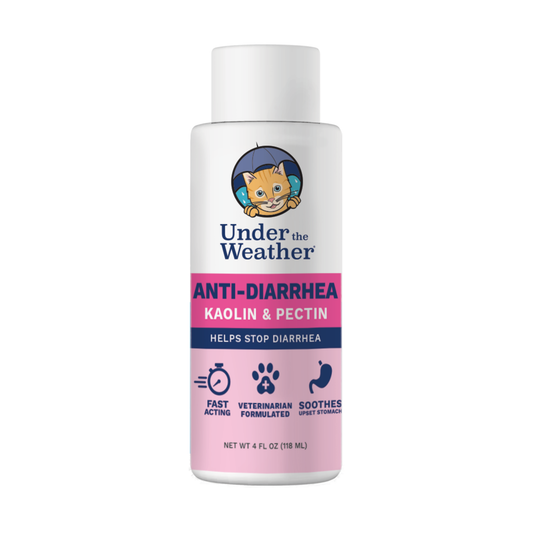
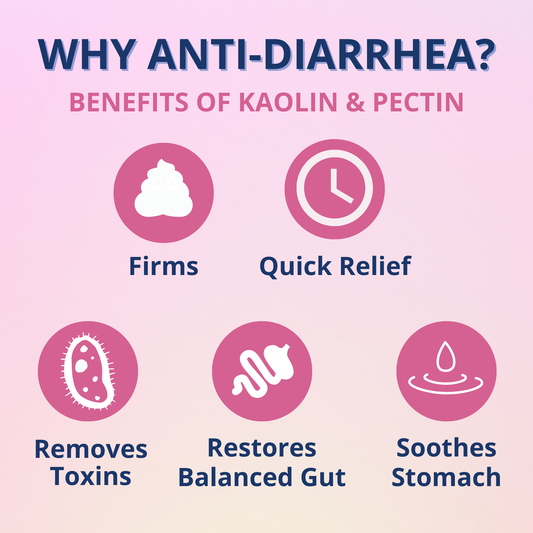
For faster relief during an active flare-up, Under The Weather's Anti-Diarrhea Liquid is a vet-formulated option that works quickly. It contains kaolin and pectin, which absorb bacteria and toxins from the intestines to help reduce gas, cramping, and loose stool while the gut settles.
The Bland Diet: A Structured Reset
A bland diet is the workhorse of home management for soft stool. The goal is to give the digestive system a break from anything hard to process while providing enough nutrition to maintain energy and support recovery.
The classic approach is boiled chicken and plain white rice, typically mixed in a 1:2 ratio (one part chicken to two parts rice). White rice is preferred over brown because it contains less fiber and is faster to digest. The chicken should be plain boiled breast meat with no skin, bones, salt, or added fat. Small, frequent meals work better than one large bowl; dividing the daily amount into three to four servings reduces the digestive load at any one time.
The standard approach is to keep feeding this way for two to three days after stools begin to firm, then gradually transition back to regular food. The transition matters: jumping back to normal food too quickly can restart the whole cycle. One note worth knowing: a bland diet is a short-term reset, not a long-term meal plan, since plain chicken and rice lacks several nutrients dogs need over time.
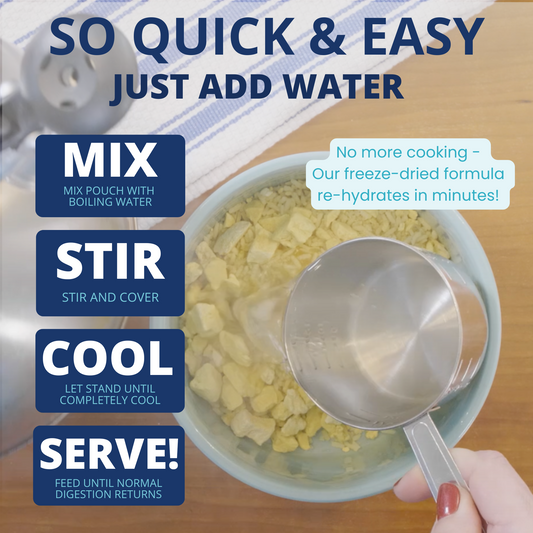
Under The Weather's 6-Flavor Bland Diet Pack for Dogs takes the convenience factor seriously. The freeze-dried, vet-developed formula removes the guesswork from ratios and cooking, and it includes electrolytes like potassium and sodium to support hydration during recovery. That's useful when your dog is unwell and you're short on time or energy. It pairs well with a dog-specific probiotic to address both the immediate symptoms and the underlying gut balance.
Comparing Your Options
Not all remedies fit every situation. Here's a practical comparison of the main approaches:
| Approach | How It Works | Best For | Time to See Results | Notes |
|---|---|---|---|---|
| Plain canned pumpkin | Soluble fiber absorbs water, adds bulk | Mild dietary soft stool | 1–2 meals | Use plain puree only; limit to 1–4 tbsp/day |
| White rice (as part of bland diet) | Easy-to-digest carbs, low fiber | Acute upset, dietary indiscretion | 12–24 hours | Not nutritionally complete long-term |
| Boiled chicken and rice | Bland protein + carb reset | Most mild-to-moderate cases | 24–48 hours | Transition back to regular food over 3–5 days |
| Pre-made bland diet (e.g. 6-Flavor Bland Diet Pack) | Same as above, consistent ratios | When time or prep is a barrier | 24–48 hours | Reduces risk of incorrect ratios |
| Dog-specific probiotics | Replenishes gut bacteria | Post-antibiotic, stress, diet change | 2–5 days | Best combined with dietary support |
| Adding soluble fiber (oats, sweet potato) | Bulks stool, slows transit | Dogs with chronic or recurrent soft stool | Gradual | Introduce slowly to avoid gas |
| Fasting (skipping one meal) | Gives GI tract a rest | Dietary indiscretion in adult dogs only | Short term | Not recommended for puppies, seniors, small breeds |
A Day-by-Day Feeding Plan for Soft Stool
This plan is intended for an otherwise healthy adult dog with mild to moderate soft stool (not bloody, not accompanied by vomiting or lethargy). Adjust portions based on your dog's normal daily caloric intake.
Day 1: Rest and Reset
Feed about 75 percent of your dog's normal daily food volume, split into three to four smaller meals. Use boiled chicken and white rice in a 1:2 ratio, or a prepared bland diet product. Add one to four tablespoons of plain canned pumpkin to one of the meals.
Keep water available at all times. If your dog takes a probiotic, continue it; if not, this is a good time to start.
Day 2: Observe and Continue
If stool is firming up, continue the bland diet at normal volume. Firmer stool within 24 to 48 hours is a positive sign. If stool hasn't improved, note any new symptoms. Diarrhea that's worse, bloody, or accompanied by lethargy means it's time to call your vet.
Day 3: Begin Transition (If Improved)
Start mixing 25 percent of regular food into the bland diet. Soaking dry kibble briefly in warm water can make it gentler on the stomach during the transition. Continue the probiotic.
Days 4 and 5: Gradual Transition Back
Move to a 50/50 mix on day four, then 75 percent regular food on day five. Continue the probiotic for at least a week after symptoms resolve. If stool remains soft past day three with no improvement, call your vet to rule out something the bland diet won't address.
What This Means for Dogs With Recurring Soft Stool
A single bout of soft stool in a dog who otherwise seems fine is usually manageable at home. Recurring soft stool is a different situation. If it keeps coming back (especially without an obvious trigger), it suggests that whatever is driving the problem hasn't been identified and addressed.
A few things worth considering:
- Check protein sources in your dog's regular food. Some dogs have low-grade sensitivities to chicken, beef, or grains that produce chronic mild soft stool without triggering obvious illness. A food trial with a novel protein can help identify this.
- Look at treats. High-fat treats, rawhide, or large amounts of peanut butter can produce recurring soft stool even when the main diet is stable.
- Consider daily probiotic support. For dogs who seem digestive-sensitive in general, a daily probiotic maintains the gut microbiome in a more resilient state. Research on dog probiotic benefits shows that consistent gut support reduces the frequency of flare-ups, not just their severity.
- Keep a simple stool log. Note consistency, color, and frequency alongside what your dog ate the previous 24 hours. Even a week of notes can reveal patterns your vet will find useful.
If you're dealing with a puppy, a senior dog, or a dog with a known health condition, recurring soft stool warrants a vet visit sooner rather than later. Their digestive reserves are smaller and the causes are more likely to require treatment.
When Soft Stool Means a Vet Visit
Home care works well for mild, short-duration soft stool in healthy adult dogs. It is not the right approach when certain warning signs are present.
Contact your vet promptly if you notice:
- Blood or dark tarry color in the stool
- Mucus present in multiple episodes
- Vomiting alongside loose stool
- Lethargy, weakness, or unusual behavior
- Refusal to eat or drink for more than 24 hours
- Stool that hasn't improved at all after 48 to 72 hours of bland diet
- Any digestive upset in a puppy, senior dog, or dog with a pre-existing health condition
The American Kennel Club's guidance on blood in dog stool is clear that any blood (whether bright red or dark/tarry) requires prompt veterinary evaluation. Bloody stool paired with vomiting, lethargy, or pale gums is an emergency. Don't wait to see if it resolves.
For a full picture of what to do if soft stool has escalated to full diarrhea, the dog diarrhea home treatment guide covers that in detail, including what to watch for and when to escalate.
Frequently Asked Questions
Why Is My Dog's Poop Runny?
Runny stool happens for several reasons: eating spoiled or inappropriate food, a sudden diet change, too much fat, infections or parasites, food sensitivities, stress, or an underlying health condition. Certain medications, especially antibiotics, can also disrupt gut bacteria and loosen stool.
How Can I Stop My Dog's Loose Stools?
Start by identifying the likely cause, then combine a few targeted steps: a bland diet to rest the gut, a modest amount of soluble fiber to add bulk, and a dog-specific probiotic to rebuild the microbiome. Keep fresh water available, avoid changing foods too quickly, and call your vet if it doesn't improve within 48 to 72 hours or if you see blood, vomiting, or lethargy.
Why Is My Dog's Poop Soft but Still Shaped?
Soft but still-formed stool usually points to mild digestive upset rather than a serious problem. It can show up when a dog is adjusting to new food, eating a lot of soluble fiber, or recovering from a minor stressor. A short bland-diet reset and a probiotic often firm it back up.
Should Dog Poop Be Hard or Soft?
Healthy dog poop is firm, log-shaped, and easy to pick up, not hard and crumbly and not loose. Stool that is too hard can signal dehydration or constipation, while stool that is too soft suggests digestive upset that may benefit from fiber, a bland diet, or a probiotic.

What Foods Can Help Firm Up Dog Poop?
Fiber-rich foods are the most direct lever. Plain canned pumpkin, boiled sweet potato, cooked plain oatmeal, plain white rice, and carrots (raw or cooked) all absorb water and add bulk to stool. Keep in mind that pumpkin is roughly 90 percent water, so it is best for mild support rather than a heavy fiber dose.
How Can I Make My Dog's Poop More Solid?
Feed easily digestible foods like boiled chicken and white rice, add a modest amount of soluble fiber such as pumpkin or sweet potato, and support the gut with a dog-specific probiotic. Make sure the overall diet is balanced and your dog stays well hydrated, since water plays a direct role in stool consistency.
Does Rice Firm Up Dog Stool?
Yes. White rice in particular is easy to digest and helps absorb water, which makes stool more solid. It is a core part of the classic bland diet, typically mixed with plain boiled chicken in a 1:2 ratio of chicken to rice.
Do Carrots Help Firm Up Dog Poop?
Yes. Carrots are high in fiber, which absorbs water and adds bulk to stool. You can offer them raw or cooked, and grating or lightly cooking them makes them easier for your dog to digest.
How Can I Firm Up My Dog's Poop Naturally?
Add high-fiber foods like plain canned pumpkin, sweet potato, oatmeal, or carrots to your dog's meals, and pair them with a bland diet during an active bout. A dog-specific probiotic supports the gut microbiome from the inside, and plenty of fresh water keeps stool from getting loose due to dehydration.
Putting It Together
Firming up your dog's stool isn't complicated in most mild cases. Fiber adds bulk in the short term. A bland diet gives the digestive system the reset it needs. Probiotics address the underlying microbial disruption that makes many cases persist longer than they should.
Using all three in combination, as the feeding plan above outlines, typically produces faster improvement than any one approach alone.
For dogs who respond to the bland diet approach, Under The Weather's 6-Flavor Bland Diet Pack for Dogs paired with the Probiotic Powder for Dogs covers both the immediate symptom and the gut recovery layer. It removes the guesswork from portion ratios and ingredient selection during a stressful day. If you'd rather grab everything at once, Under The Weather's Anti-Diarrhea Bundle for Dogs brings the Anti-Diarrhea Liquid, bland diet, and Probiotic Powder together in one kit.
If symptoms persist past 48 to 72 hours, or if anything on the warning-signs list appears, reach out to your vet. Most mild cases respond well before that point and are back on regular food by day four or five.
From Under the Weather
Soothe your dog's upset stomach.
A vet-formulated bland diet is gentle, easy to digest, and made to get your dog back to normal after diarrhea or an upset tummy.
Shop Bland Diet →